



What Major Manufacturer Codes Guitar Collectors Should Know
Jul 15th 2026
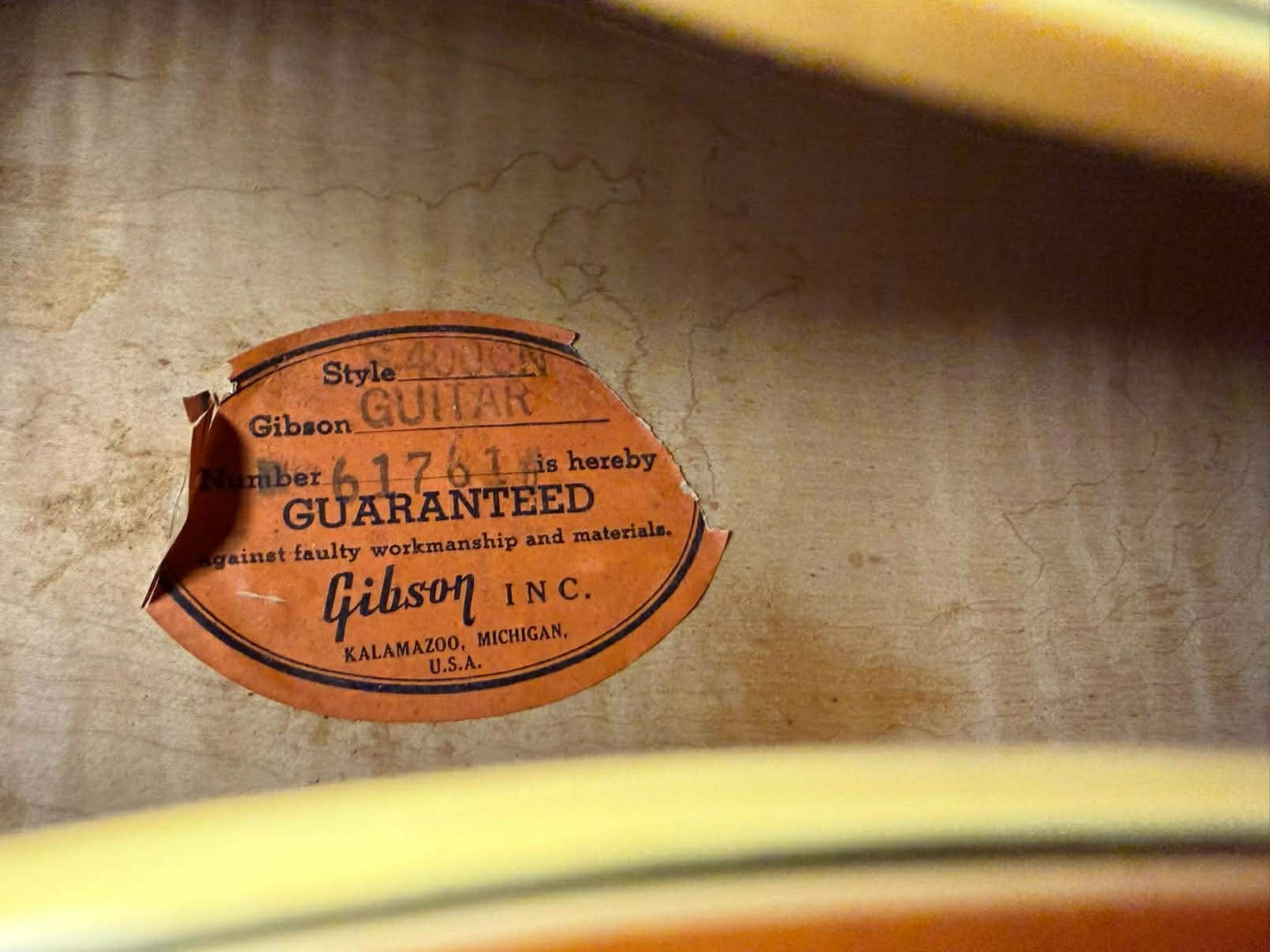
What Major Manufacturer Codes Guitar Collectors Should Know
Whether you've just picked up a vintage guitar or you're adding another piece to your collection, learning how to read manufacturer codes can tell you a lot about an instrument's history. From a serial number on the headstock to a date code hidden inside the body, these markings help collectors estimate a guitar's age, verify its originality, and better understand its story.
It's important to remember that manufacturer codes aren't perfect. Many brands have changed their serial number schemes over the years, and some guitars include replacement parts that can complicate dating. That's why experienced collectors use manufacturer codes alongside construction details, hardware, and expert appraisal to evaluate an instrument.
Key Takeaways
- Manufacturer codes can help identify a guitar's production year and originality.
- Different brands use different serial number schemes and date codes.
- Collectors often examine several markings before determining authenticity.
- A professional appraisal is the best way to verify valuable or vintage guitars.
What Are Manufacturer Codes?
A manufacturer code is any identifying mark used during production to help track an instrument. Depending on the brand, these markings may appear as a serial number, model code, date code, or part code.
They’re usually located on one of the following guitar parts:
- The headstock
- The neck plate
- The neck pocket
- The neck block on an acoustic guitar
- Inside the body
- The bridge plate
- Potentiometers
- Electronics and hardware
Each code provides another piece of the puzzle when identifying a guitar.
Why Manufacturer Codes Matter
For collectors, manufacturer codes help answer important questions about a guitar.
They can help determine:
- The production year
- Whether major parts appear original
- The correct model
- Factory specifications
- Possible replacement components
This information is especially valuable when evaluating a vintage guitar or preparing an instrument for appraisal.
Understanding Serial Numbers
The serial number is usually the first place collectors look.
Many manufacturers assign a unique serial number to every guitar they produce. The serial number and its placement is also essential in spotting fake guitars. Depending on the company, the serial number may reveal:
- Production year
- Factory location
- Manufacturing sequence
- Model information
However, not every brand uses the same system. Many companies have updated their serial number schemes several times over the decades.
For example, Gibson, Fender, Epiphone, Gretsch, PRS, Ibanez, Vox, Squier, Rickenbacker, and Ernie Ball have all used different numbering methods throughout their histories.
Because of these changes, collectors should always reference the correct serial number guide for the guitar's production period.
Looking Beyond the Serial Number
A serial number is only one part of the story.
Experienced collectors also inspect physical features that help confirm a guitar's originality, including:
- Body shape
- Headstock design
- Cutaway style
- Hardware
- Finish
- Pickups
- Bridge plate
- Neck pocket markings
- Neck plate stamps
When these details match the expected production period, collectors gain greater confidence in the instrument's authenticity.
Date Codes and Pot Codes
Some of the most useful clues aren't found on the outside of the guitar. Many vintage instruments include date codes or pot codes stamped on internal components. Potentiometers often carry manufacturer information that helps narrow down when a guitar was assembled.
One of the most recognized names collectors encounter is Stackpole, a company that manufactured potentiometers for many American guitars.
Collectors often examine:
- Pot codes
- Date codes
- The second digit within certain coding systems
- Electronics
- Internal factory stamps
While these parts can help estimate the production year, they only indicate when the component was made, not necessarily when the guitar left the factory.
Manufacturer Codes by Brand
Every manufacturer has its own approach to identifying instruments. Some of the brands collectors commonly research include:
- Gibson, including the Gibson Les Paul
- Fender, including the Stratocaster and Telecasters
- Epiphone
- Gretsch
- Rickenbacker
- PRS
- Ibanez
- Squier
- Vox
- Ernie Ball
Each company has developed its own manufacturer code and serial number system over time, making brand-specific research an important part of the collecting process.
When to Seek an Expert Opinion
Even experienced collectors occasionally encounter guitars that don't fit neatly into published serial number guides.
If you're considering a significant purchase or preparing to sell or consign a guitar, professional guidance can provide additional peace of mind.
An expert appraisal considers much more than a manufacturer code. Experienced specialists evaluate construction methods, finish, originality, condition, market demand, and historical context to develop a complete picture of the instrument.
Building a Better Guitar Collection
Learning to read manufacturer codes is an important skill for any collector, but it's only one part of evaluating a guitar. Combining serial numbers, construction details, historical research, and expert knowledge helps you make more informed decisions when buying, selling, or expanding your collection.
At Eddie's Guitars, we're passionate about helping collectors find exceptional instruments. Whether you're researching a collector’s guitar or want to start collecting vintage guitars, our team is here to help.
FAQs
Can you verify the year of a guitar by the serial number?
In many cases, a serial number can help identify a guitar's production year, but it isn't always enough on its own. Different manufacturers have used different serial number schemes over time, so collectors often compare the serial number with date codes, hardware, and construction details to verify the guitar's age.
What is the commodity code for guitars?
Commodity codes are international trade classifications used for importing and exporting products. They are different from manufacturer codes and serial numbers, which are used to identify and date individual guitars. If you're shipping a guitar internationally, the appropriate commodity code depends on the type of instrument and applicable customs regulations.
How can I use manufacturer codes to determine the authenticity of a guitar?
Manufacturer codes provide important clues about a guitar's production year, model, and factory. Collectors compare the serial number, date code, pot code, hardware, and construction details to see whether they match the expected specifications. For valuable instruments, a professional appraisal offers the most reliable assessment of authenticity.
What common manufacturer codes should I know for guitar collecting?
The most common manufacturer codes include serial numbers, date codes, model codes, pot codes, neck pocket stamps, neck plate markings, and electronics codes. Brands such as Gibson, Fender, Epiphone, Gretsch, PRS, Rickenbacker, Ibanez, Vox, Squier, and Ernie Ball all use their own identification systems, so it's important to research the specific brand you're collecting.
Knowing Your Stuff
When it comes to collecting guitars, there’s a lot to know about manufacturer codes and other details. Understanding how manufacturer codes work—and what they mean for your guitar—can provide guitarists and collectors peace of mind that their gear is valuable.
If you're ready to learn more about guitar collecting or add a special piece to your collection, contact us online or reach out via phone at (314) 274-9571 or email at info@eddiesguitars.com.
Disclaimer: This article is for informational purposes only. It does not constitute legal or financial advice, expressed or implied.
Expert Insight From: Matthew Chulka – Acoustic & Electric Guitar Expert
Matthew has over two decades of experience in the music retail industry and a detailed knowledge of acoustic and electric guitars. His first-hand experience helps ensure our knowledge and insights are grounded in real-world expertise.