



What Guitar Tonewoods Do Collectors Want? A Complete Guide
Oct 29th 2026
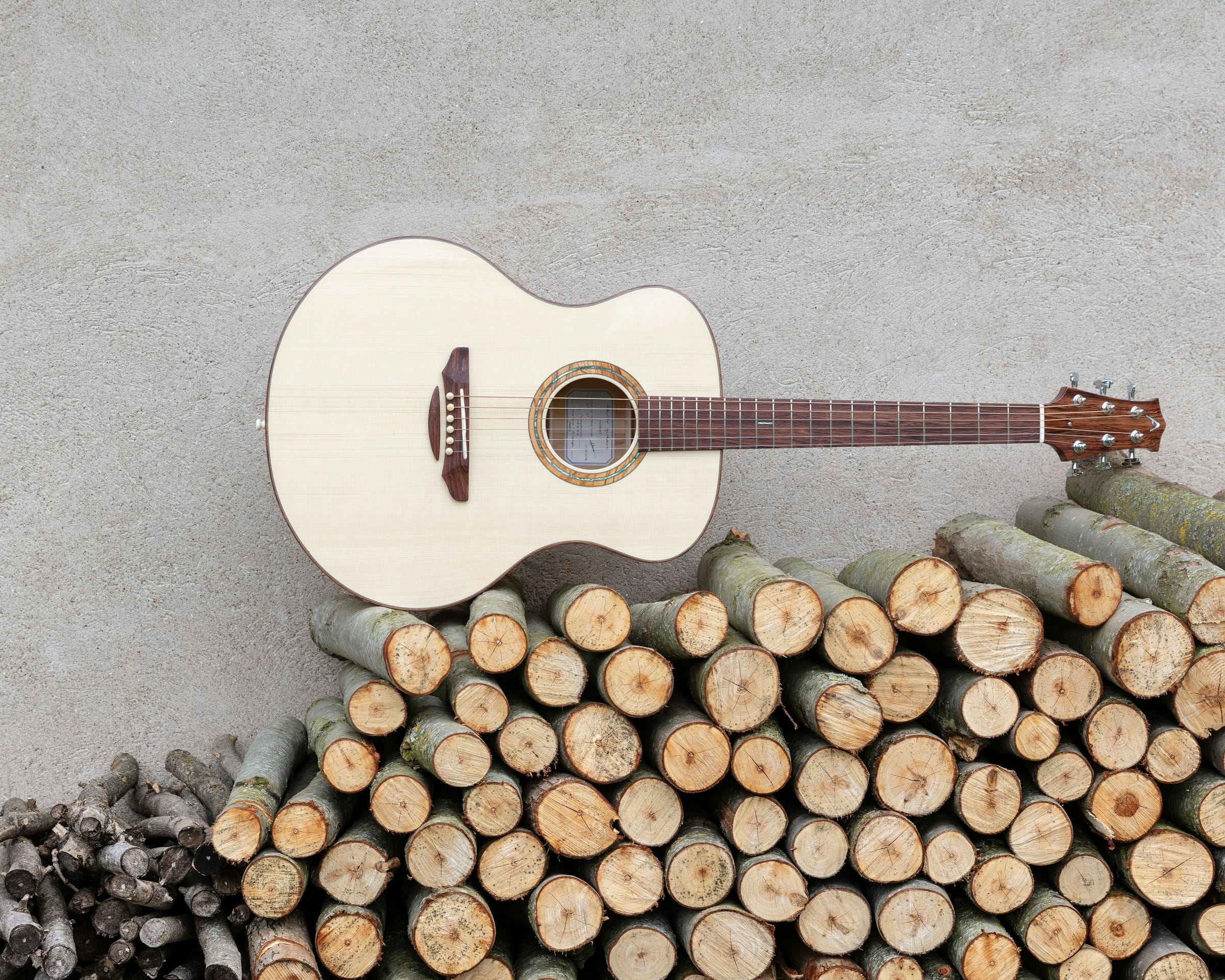
What Guitar Tonewoods Do Collectors Want?
When it comes to vintage guitars, the type of wood used can make a big difference in an instrument's sound, appearance, and value. From Brazilian rosewood to Adirondack spruce, certain guitar tonewoods have become especially desirable among serious players and collectors.
But what guitar tonewoods do collectors want most? While some woods are prized for their rarity, others are known for their tonal properties, historical significance, or connection to iconic guitar models. Understanding these differences can help you make more informed decisions when buying, selling, or expanding your guitar collection.
Key Takeaways
- Brazilian rosewood, Adirondack spruce, and old-growth mahogany are highly sought after by many vintage guitar collectors.
- Different tonewood combinations influence an acoustic guitar's resonance, projection, and tonal character.
- Rarity, originality, condition, and craftsmanship can affect a guitar's collectibility.
- Sustainable and alternative tonewoods are becoming more common in modern guitar construction.
Why Do Guitar Tonewoods Matter?
Tonewoods are the woods used to build a guitar's body style, neck, fretboard, and other components. Their density, stiffness, grain orientation, and other physical properties can influence how an instrument vibrates.
For acoustic guitars, the soundboard, or top, plays a major role in producing sound. The back and sides also contribute to the instrument's overall response and resonance.
However, wood species alone doesn't determine sound quality. Guitar design, bracing, scale length, setup, and maker skill all influence sonic performance.
Collectors often consider tonewoods alongside the instrument's age, construction, originality, and production history.
The Most Sought-After Soundboard Woods
The soundboard is one of the most important parts of an acoustic guitar. Different guitar woods, like spruce, cedar, and hardwood tops offer distinct playing characteristics.
Adirondack Spruce
Adirondack spruce is especially desirable among collectors of pre-war Martin guitars and other vintage acoustics.
Known for its stiffness and ability to handle strong playing, Adirondack spruce is often associated with excellent projection, dynamic range, and headroom.
Sitka Spruce
Sitka spruce is one of the most widely used soundboard woods. It offers a balance of strength, flexibility, and tonal response, making it popular across many acoustic guitar styles.
Engelmann and Lutz Spruce
Engelmann spruce is often associated with a responsive, warm sound that appeals to fingerstyle players.
Lutz spruce, a natural hybrid of Sitka and white spruce, is another option used by boutique guitar builders seeking a balance of stiffness and responsiveness.
Western Red Cedar
Western red cedar is known for its warm response and sensitivity to a lighter touch. It's particularly popular for classical guitars and fingerstyle playing.
Other desirable options include bear claw spruce, prized for its distinctive grain figure, and koa or mahogany tops, which offer different tonal characteristics and visual appeal.
Popular Back and Sides Tonewoods
The woods used for an acoustic guitar's back and sides help shape its overall tonal character. Some are especially valuable because of their rarity or historical use.
- Brazilian Rosewood: One of the most sought-after vintage tonewoods, known for its striking appearance, scarcity, and association with collectible pre-war and mid-century guitars.
- Indian Rosewood: A popular alternative to Brazilian rosewood, valued for its rich overtones and balanced response.
- Mahogany: Often associated with a strong fundamental tone, clear midrange, and a direct response.
- Maple: Known for its bright, focused character and distinctive figuring.
- Koa: A visually striking Hawaiian hardwood valued for its appearance and warm tonal qualities.
- Cocobolo: A dense rosewood prized for its dramatic grain patterns and rich tonal response.
Other woods collectors may encounter include Honduran rosewood, walnut, sapele, ovangkol, granadillo, wenge, and ziricote.
While certain species command higher prices, the individual guitar's craftsmanship and condition remain important.
How Do Tonewood Combinations Affect Sound?
A guitar's sound comes from the interaction of its top, back, sides, and overall construction.
For example, a spruce top paired with rosewood back and sides is often associated with strong projection and complex overtones. A spruce-and-mahogany combination may produce a more direct response with greater emphasis on the fundamental tone.
However, even guitars built from identical wood combinations can sound different.
Factors such as wood density, annular growth patterns, curing conditions, moisture content, and bracing can all influence the final result.
That's why experienced collectors evaluate the complete instrument rather than choosing based on wood species alone.
Solid Woods vs. Laminated Tonewoods
Many collectible acoustic guitars feature solid soundboards and solid backs and sides.
Solid wood is valued for its traditional construction and ability to respond to vibration. Proper seasoning and construction also help support long-term stability.
Laminated tonewood uses multiple layers of wood bonded together. Layered backs and sides can offer greater resistance to some environmental changes while allowing builders to make efficient use of precious materials.
Although solid woods are often preferred in high-end acoustic collecting, laminated construction isn't automatically inferior. Certain vintage guitars with laminated bodies remain highly collectible because of their design, history, and sound.
Are Sustainable and Alternative Tonewoods Worth Collecting?
As traditional tonewoods become harder to source, guitar builders are exploring sustainable alternatives.
Manufacturers such as Martin Guitar and Taylor Guitars have incorporated responsibly sourced woods and alternative materials into various instruments.
Modern construction options include:
- Salvaged woods and reclaimed timber
- FSC-certified sustainable woods
- Thermally cured soundboards using torrefaction
- Tempered or treated woods
- Carbon-fiber and other composite materials
- Nomex honeycombed tops
- Layered tonewoods and laminates
Some builders also use four-piece tops and backs to make better use of limited materials.
These approaches can offer excellent performance, although their long-term collectibility is less established than that of iconic vintage instruments.
What Makes a Tonewood Valuable to Collectors?
Rarity is important, but it's only one piece of the puzzle.
Collectors also look at:
- Historical significance: Was the wood used in a sought-after production era?
- Originality: Does the guitar retain its original components and finish?
- Condition: Has the instrument been properly maintained?
- Craftsmanship: How well was the guitar designed and built?
- Provenance: Is its history documented?
Old-growth tonewoods, particularly Brazilian rosewood and mahogany, often attract interest because of their scarcity and connection to historic instruments.
For example, highly figured mahogany associated with "The Tree" has become desirable among certain boutique builders and collectors.
However, rare wood alone doesn't guarantee strong resale value. The guitar itself still matters most.
FAQs
What is the most valuable guitar tonewood?
Brazilian rosewood is among the most valuable and sought-after tonewoods, especially in vintage acoustic guitars. Its scarcity, historical use, and distinctive appearance make it highly desirable.
However, an instrument's overall value also depends on its maker, age, condition, originality, and provenance.
Do different tonewoods really affect guitar sound?
Yes, especially in acoustic guitars. Wood density, stiffness, and construction can influence resonance, projection, and tonal response. However, guitar design, bracing, scale length, and setup also matter. Tonewood alone doesn't determine whether a guitar sounds good.
Are vintage guitars made with old-growth wood better?
Not necessarily. Old-growth tonewoods can be desirable because of their historical significance, physical characteristics, and limited availability. However, excellent guitars can also be made with newer or sustainably sourced woods. Craftsmanship and individual instrument quality are just as important.
What tonewoods should collectors look for in acoustic guitars?
Collectors often seek Adirondack spruce, Brazilian rosewood, mahogany, koa, and other woods associated with notable vintage models. Spruce-and-rosewood and spruce-and-mahogany combinations are especially common among collectible acoustics. The best choice depends on your playing preferences, budget, and collecting goals.
Find the Right Tonewood for Your Collection
The most desirable guitar tonewoods combine history, craftsmanship, and musical character. Whether you're drawn to Brazilian rosewood, Adirondack spruce, or a unique modern wood combination, understanding what makes each material special can help guide your search.
At Eddie's Guitars, we specialize in exceptional vintage, boutique, and high-end instruments. Our team can help you explore different tonewoods, compare individual guitars, and find the right addition to your collection. Contact us online or call us at 314-274-9571 to learn more.
Expert Insight From: Matthew Chulka – Acoustic & Electric Guitar Expert
Matthew has over two decades of experience in the music retail industry and a detailed knowledge of acoustic and electric guitars. His first-hand experience helps ensure our knowledge and insights are grounded in real-world expertise.