



Master Luthier Builds vs. Production Builds for Collectors
Oct 29th 2026
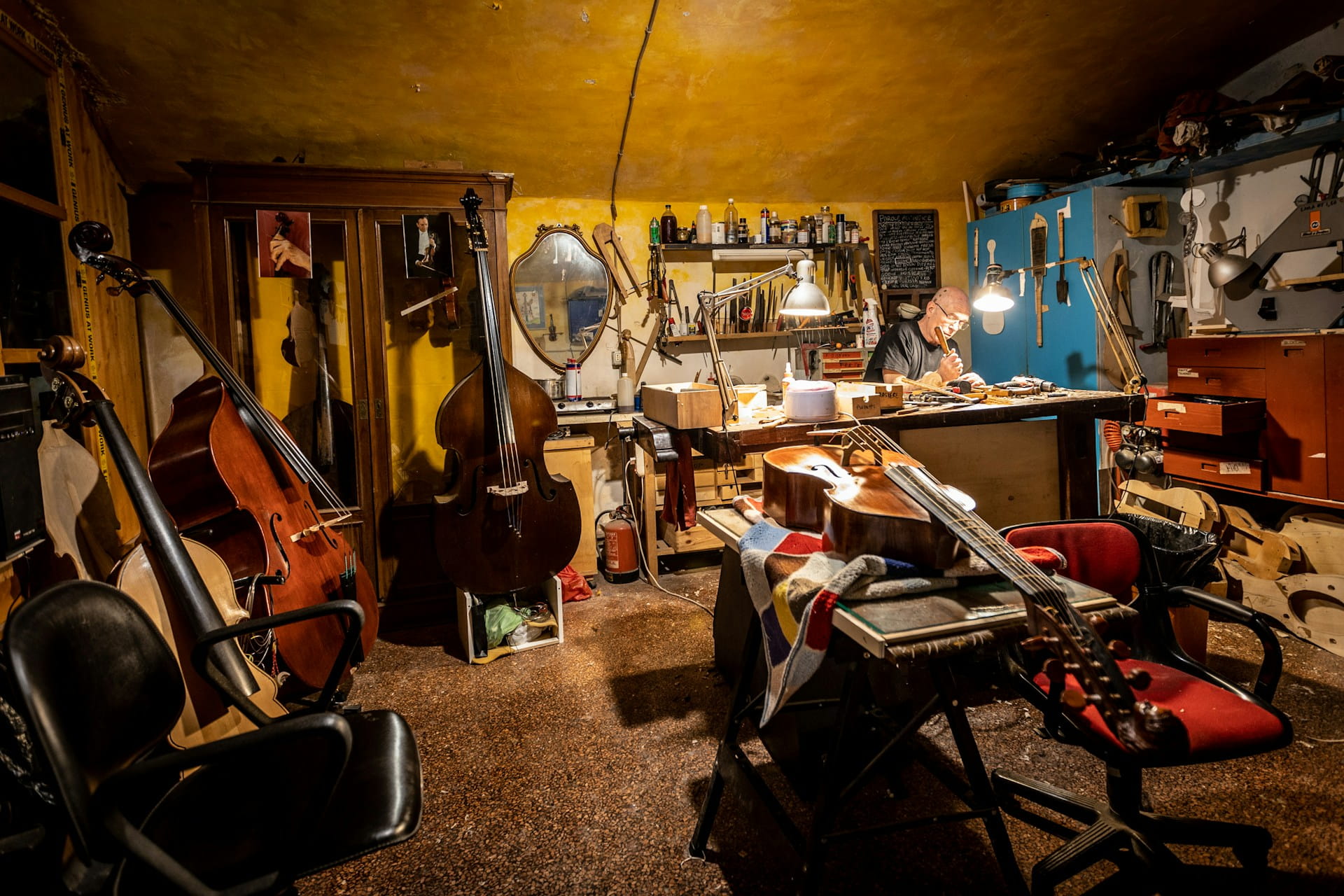
Master Luthier Builds vs. Production Builds: What are Collectors Looking For?
Not all high-end guitars are built the same way. Some come from established manufacturers with decades of proven designs, while others are handcrafted by master luthiers who build just a handful of instruments each year.
For collectors, the choice between master luthier builds vs. production builds goes beyond craftsmanship. Rarity, reputation, customization, and long-term value all play a role.
So, is a handmade guitar worth the higher investment, or can a production guitar be just as collectible? Here's what to consider before adding either to your collection.
Key Takeaways
- Master luthier builds offer personalized craftsmanship, limited production, and direct collaboration with the maker.
- Production guitars provide consistency, recognizable models, and established resale markets.
- Collectors should consider maker reputation, originality, playability, rarity, and market demand when evaluating an instrument.
What Is the Difference Between Master Luthier and Production Guitars?
A master luthier build is an instrument handcrafted by an experienced guitar maker, often using carefully chosen materials and individualized construction techniques.
Unlike mass-produced guitars, these instruments may be designed around a specific player's preferences or the builder's own vision.
Production guitars follow standardized specifications and established manufacturing processes. While some involve extensive handwork, they're generally built in larger quantities using repeatable designs.
Neither approach automatically produces a better instrument. The biggest differences come down to customization, availability, and how much individual attention goes into each build.
Why Do Collectors Seek Out Master Luthier Builds?
Individual Craftsmanship and Attention to Detail
A master luthier brings years of accumulated judgment to each instrument.
Rather than following a fixed catalog specification, the builder can make decisions based on the individual materials, construction priorities, and intended playing experience.
For acoustic guitars, this may include adjusting the bracing pattern, bridge mass, or top voicing to achieve a particular response.
Collectors appreciate this level of handwork because each instrument reflects the maker's techniques and experience.
Rarity and the Reputation of the Maker
Many independent luthiers produce relatively few instruments annually. That limited output can make certain guitars difficult to find.
A well-established maker's reputation can also influence collector interest, particularly when their instruments have recognizable craftsmanship or a distinctive tonal character.
However, limited production doesn't guarantee future appreciation. Demand, condition, provenance, and the maker's standing in the market all matter.
Personalization and Player Fit
A commissioned guitar can be tailored to a musician's physical requirements and playing style.
Depending on the guitar body style, customization options may include:
- Body shape and size
- Neck profile and nut width
- Scale length and string spacing
- Tonewood selection
- Bracing and body construction
- Headstock shape and decorative details
These decisions can improve ergonomics and create an instrument suited to a particular player's touch, repertoire, or musical environment.
For collectors who also play their instruments regularly, that personal fit can be especially appealing.
How Does the Custom Guitar Build Process Work?
Commissioning a bespoke guitar usually begins with a conversation.
A skilled builder will ask about your playing preferences, tonal direction, physical requirements, and expectations.
The process may include:
- Initial Consultation: Discuss your goals, budget, and preferred design specifications.
- Material Selection: Choose appropriate tonewoods, hardware, and visual details.
- Construction: The maker completes body construction, neck fitting, bracing, and other components.
- Finishing: Binding, purfling, surface preparation, and finishing are completed.
- Final Setup: The instrument receives a quality inspection and individual setup before delivery.
Some builders provide progress photographs and updates throughout the commission process.
Direct dialogue with the maker is a major advantage. An experienced luthier should listen closely, ask good questions, and advise honestly when a requested feature could compromise the instrument's intended sound or performance.
How Does Tonewood Selection Compare?
Master luthiers often have greater flexibility when selecting materials.
For acoustic guitars, a builder might choose among different guitar wood types, such as cedar, redwood, mahogany, maple, koa, rosewood, or walnut.
Wood stiffness, density, grain structure, and construction methods can all influence the instrument's tonal properties.
Production guitars generally use standardized wood combinations and established designs to maintain consistency across models.
That doesn't mean production guitars lack quality materials. Many premium factory instruments feature exceptional tonewoods and meticulous construction.
For collectors, the distinction is often between a proven design and an individually voiced instrument.
Why Are Production Guitars Still Popular With Collectors?
Established Models and Historical Significance
Some of the world's most collectible guitars are production instruments.
Vintage Fender Stratocasters, Gibson Les Pauls, and Martin acoustics demonstrate how historically important production models can attract serious collector interest.
Their value often comes from recognizable specifications, limited production periods, originality, and historical significance.
Consistency and Familiarity
Production guitars offer familiar specifications and predictable designs.
Collectors can compare instruments from the same model year, production run, or series, making it easier to evaluate originality and market pricing.
Stock guitars are also generally easier to find, inspect, and play before purchasing.
Custom Shop Options
Custom shop guitars bridge the gap between standard production models and independent luthier builds.
They may feature premium materials, specialized finishes, limited runs, or historically accurate construction.
For collectors who appreciate established brands but want something less common, custom shop instruments can offer an appealing alternative.
Cost, Wait Times, and Long-Term Value
Master luthier guitars often carry a premium because of their limited availability, carefully chosen materials, and extensive handwork.
Commissioned instruments may also involve considerable wait times, depending on the builder's schedule and the complexity of the design.
Production guitars are typically available sooner, although certain custom shop models and limited editions can also have extended lead times.
From a resale perspective, both categories involve uncertainty.
An established production model may have a larger buyer pool and more comparable sales. A bespoke guitar's resale value may depend more heavily on the maker's reputation and whether its specifications appeal to other buyers.
Collectors should avoid assuming that a higher original purchase price guarantees a stronger investment.
Which Build Type Is Right for Your Collection?
Choosing between a master luthier build and a production guitar depends on what you value most.
Consider a master luthier build if you:
- Want a personalized instrument.
- Appreciate individual craftsmanship and limited production.
- Have specific tonal or ergonomic preferences.
- Enjoy developing a relationship with the maker.
Consider a production guitar if you:
- Prefer established models with documented histories.
- Want to compare multiple instruments before purchasing.
- Value recognizable specifications and resale market data.
- Prefer immediate availability over a lengthy commission process.
There's also room for both as you continue collecting guitars.
FAQs
Are master luthier guitars better than production guitars?
Not necessarily. Master luthier builds offer individualized craftsmanship and customization, while high-end production guitars benefit from established designs and consistent manufacturing standards. Sound, playability, and construction quality vary between individual instruments, regardless of how they're made.
Do handmade guitars hold their value better?
Some handmade guitars retain or increase their value, particularly those from respected builders with strong collector demand. However, resale performance depends on the maker, condition, originality, and market interest. Certain vintage production guitars have more established collector markets than custom-built instruments.
How long does it take to commission a custom guitar?
Wait times vary considerably. Some luthiers may complete a commission in several months, while highly sought-after builders can have waiting lists extending for years. Construction complexity, material availability, and finishing requirements can all affect the timeline from order to delivery.
What should collectors look for when buying a luthier-built guitar?
Look for a reputable maker, quality craftsmanship, desirable specifications, and documented provenance. Evaluate the instrument's condition, tone, playability, and originality. For commissioned guitars, consider whether highly personalized features might limit their appeal to future buyers.
Find Your Next Collectible Guitar at Eddie's Guitars
Whether you're interested in a handcrafted boutique instrument or a sought-after production model, the right guitar comes down to more than its specifications.
At Eddie's Guitars, we specialize in boutique, vintage, and high-end instruments from respected builders and manufacturers. Our team can help you explore different construction styles, compare individual guitars, and find an instrument that fits your playing preferences and collecting goals.
Contact us online or call us at 314-274-9571 to learn more.
Expert Insight From: Alejandro Montero – Bass Guitar Expert
Alejandro has over a decade of experience in the music retail industry and over a hundred live shows under his belt. His hands-on experience helps ensure our guides and insights are grounded in real-world expertise.