



How to Start Collecting Vintage Guitars
May 21st 2026
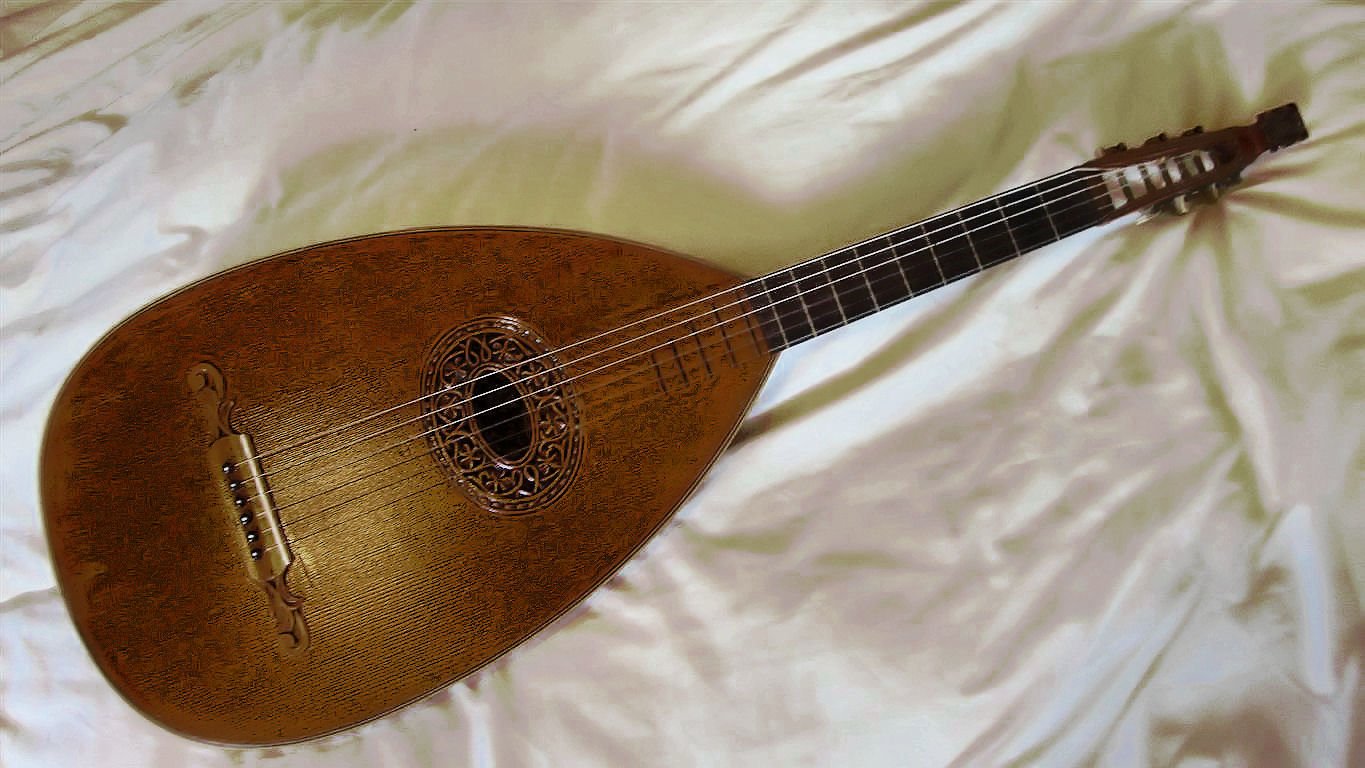
How to Start Your Own High-end Guitar Collection
Collecting guitars can be just as rewarding as playing them. No matter your reason for collecting, understanding the guitar market can help you make smarter decisions.
Key Takeaways
- Have clear goals for your guitar collection
- Budget for the initial purchase plus maintenance and insurance
- Store everything properly
- Keep up with depreciation and resale trends
How to Start a Guitar Collection
Determine the Purpose
Building a guitar collection takes patience (and a genuine appreciation for great guitars). Some guitar collectors buy instruments to play daily, while others focus on rare, historically significant instruments. Others will purchase vintage or new guitars as a type of investment. None of these approaches is incorrect; it's what feels rewarding to you.
Set a Budget
Guitar collecting can become expensive quickly. It's not just the guitars themselves that become expensive. It's also amplifiers, cases, humidifiers (or dehumidifiers), repairs, shipping, insurance, and more. That is why, when planning your collection, it's a good idea to create a budget that includes how much you're willing to spend both upfront and over the long term.
Consider Insurance
As your collection grows, protecting it becomes increasingly important.
Standard homeowners' insurance may not cover the full cost of musical instruments, especially rare or vintage guitars. Other policies may protect instruments, but not all types of equipment like amps. Others still may only cover instruments that are used professionally.
If insurance makes financial sense and gives you peace of mind that your collection is protected, research your guitar insurance options so you can find a solution that works best for you.
Find a Focus for the Collection
Many successful guitar collections have a clear theme or focus.
Some collectors specialize in a particular brand or model, such as a Fender Telecaster, Gibson Flying V, Gretsch, or PRS. Others collect a specific type of guitar, such as electric guitars or acoustic guitars. There are endless possibilities!
Your own collection might focus on:
- Early Fender Stratocasters
- Gibson Les Paul models
- Rare Gretsch hollowbodies
- Boutique builds from respected luthiers
- Acoustic guitars with unique tonewoods
- Signature artist instruments, such as Fender's Jimi Hendrix Strat
Store Properly
Proper storage preserves the condition and playability of your instruments.
Key considerations when storing guitars include:
- Temperature and humidity fluctuations
- Storage cases vs wall-mounted displays
- UV exposure
- Ease of access for cleaning and maintenance
Learn the Signs of Counterfeit Guitars
Counterfeit guitars have become increasingly common in the online guitar market. You can take steps to protect yourself from knockoffs, though.
Before making a major purchase, be sure to research the model thoroughly. That means comparing specs to official manufacturer details, requesting detailed photos from the seller, and buying from reputable guitar stores or other trusted sellers.
Know How Different Instruments Depreciate
Not every guitar will increase in value over time. In fact, many depreciate. For those who collect instruments as an investment, making smart decisions at the start can make or break the collection.
Factors to consider here include:
- Desirability of the model based on age, manufacturer, artist associations, and production numbers
- Condition of the model
- Whether the guitar features modifications
FAQs
Which guitars are worth collecting?
Guitars from respected brands like Fender, Gibson, Gretsch, and PRS are those that many guitarists consider collectible, especially limited-production or vintage models. Instruments associated with influential guitarists or important periods in music history may also gain value over time.
Playing guitars and collecting guitars: are they two different hobbies?
While there may be some overlap between playing and collecting guitars, the two are distinct hobbies. Some guitar collectors rarely play their instruments and focus primarily on historical value or investment potential. Others build collections specifically to enjoy different tones, body styles, and playing experiences.
What are some tips for starting a vintage guitar collection on a budget?
Ways that many people have started a vintage guitar collection on a budget include:
- Researching the guitar market carefully
- Knowing the signs of a counterfeit
- Buying from a reputable guitar shop
- Learning basic maintenance and storage skills
Building a Collection That Reflects Your Passion
Collecting guitars is a personal journey shaped by your musical interests, playing style, and appreciation for craftsmanship. When you're looking to expand your collection, get in touch with us at Eddie's Guitars; we'd love to help you start a collection you can feel proud of.
Disclaimer: This article is for informational purposes only. It does not constitute legal or financial advice, express or implied.
Expert Insight From: Alejandro Montero – Bass Guitar Expert
Alejandro has over a decade of experience in the music retail industry and over a hundred live shows under his belt. His hands-on experience helps ensure our guides and insights are grounded in real-world expertise.
