



Guitar Humidifiers Guide | Eddie’s Guitars
Posted by Alejandro on Apr 13th 2026
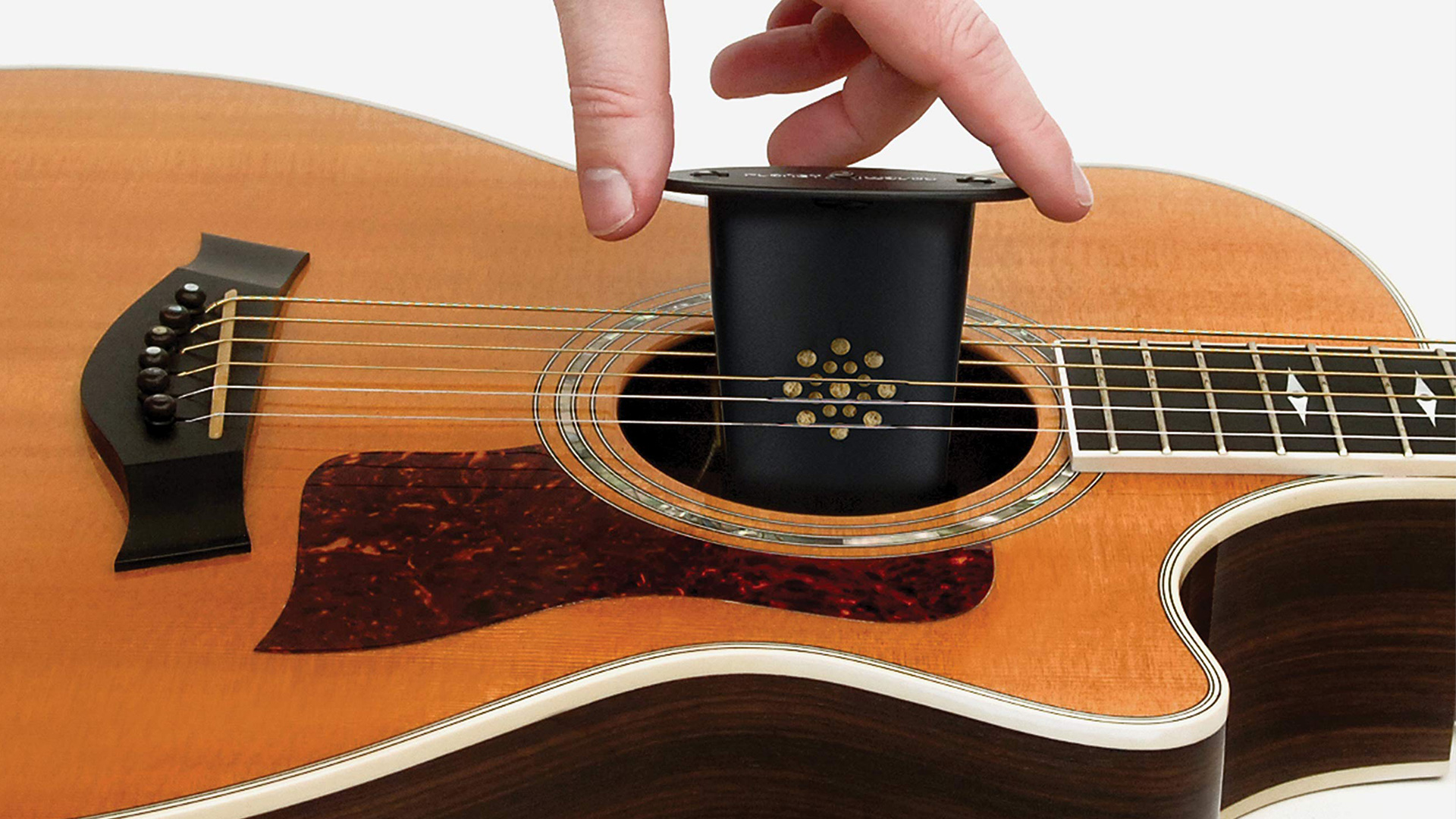
Guitar Humidifiers Guide
Guitar humidifiers play an important role in protecting your instrument, whether you own an acoustic guitar, electric guitar, or electro-acoustic guitar.
Why Humidity Control Matters
Guitars are string instruments made from carefully shaped pieces of wood under constant tension from guitar strings; that means even small changes in humidity can have a noticeable impact on how they sound. When the air becomes too dry, a guitar can lose moisture and begin to shrink. When humidity is too high, the wood can absorb excess moisture, leading to warping. Both conditions can affect the instrument's playability.
Types of Guitar Humidifiers
Soundhole Humidifiers
What they are: Soundhole humidifiers are compact humidifiers that sit in or around the soundhole of an acoustic guitar. They use a sponge or other absorbent material to hold moisture and release it slowly inside the guitar body.
Benefits:
- Affordable
- Widely available
- Easy to use
Drawbacks:
- Regular checks and refills
- Sponges need replacing
Type of guitar they work best for:
- Acoustic guitars
- Classical guitars
- Some electro-acoustic guitar models with a traditional soundhole
Popular brands & models:
- MusicNomad Humitar Acoustic Guitar Humidifier
- Oasis OH-1
- D'Addario Planet Waves Acoustic Guitar Humidifier
Guitar Case Humidifiers
What they are: Instrument case humidifiers add moisture to the air inside a closed guitar case rather than directly inside the soundhole. They may use a sponge, gel, or other moisture-holding material and are usually placed near the headstock, accessory compartment, or body area inside the case.
Benefits:
- Good for a wide variety of instruments
- Less intrusive than soundhole humidifiers
Drawbacks:
- Works best when the guitar is in its case consistently
- Require regular maintenance and refilling
Type of guitar they work best for:
- Acoustic guitars
- Electric guitars
- Electro-acoustic guitars
- Bass guitars
- Vintage instruments stored in cases
Popular brands & models:
- MusicNomad MN303 Case Humitar
- Oasis OH-6 Case Humidifier
- D'Addario Humidipak
Two-way Humidification Systems
What they are: Two-way humidification systems are guitar accessories that either release or absorb moisture to maintain a more consistent humidity range.
Benefits:
- Consistent humidity
- Require less guesswork than sponges
Drawbacks:
- Cost
- Frequent replacement packs
Type of guitar they work best for:
- Acoustic guitars
- Electric guitars are stored in cases
- Electro-acoustic guitars
Popular brands & models:
- Boveda 49% Two-Way Humidity Control
- D'Addario Humidipak
- D'Addario Guitar Humidifier Pro
Tips for Controlling Guitar Humidity Levels
- Keep your guitar in an environment with relative humidity around 45 to 50 percent.
- Have a digital hygrometer to monitor your room or guitar case's humidity levels.
- Store guitars in their cases during periods of dryness rather than leaving them on stands full time.
- Check sponge humidifiers regularly to ensure they do not dry out completely.
- Use distilled water when filling sponge-based humidifiers to reduce mineral buildup.
- Avoid oversaturating humidifiers, since excess moisture can damage the instrument.
- Remove worn replacement sponges or packets as recommended by the manufacturer.
- Watch for signs of dryness, such as fret sprout, top sinking, buzzing, or visible cracks.
- Keep guitars away from radiators, heating vents, fireplaces, and direct sunlight.
- In very dry climates, consider using both a room humidifier and an in-case guitar humidifier for added protection.
FAQs
What is the best humidifier for guitars?
The best humidifier depends on how you store the instrument and how much control you want. For many acoustic guitar players, a soundhole humidifier is a simple and effective choice. For players who want easier maintenance and more balanced control, a two-way humidification system is often the better option. Case humidifiers are also a strong choice for electric guitar and electro-acoustic guitar owners who store their instruments between sessions.
How can I humidify my guitar?
You have a few options for guitar humidification:
- Place a proper humidifier in the guitar soundhole or inside the case.
- Keep the guitar stored in a case when the air is dry.
- Use a room humidifier. (This is our number one reccomendation, though it seems to be the least common situation among guitar collectors.)
How do I know if my guitar needs an instrument humidifier?
All guitars need humidification during dry months, but especially if you notice:
- Sharp fret ends
- Lower action changes
- Buzzing
- A sunken top
- Small cracks in the wood
- A low humidity reading on a hygrometer
What humidity level is ideal for storing a guitar?
The ideal relative humidity level for storing a wood instrument like a guitar, mandolin, or ukulele is usually between 45 and 50 percent.
Protecting Your Guitar
Humidity control is one of the simplest ways to care for a guitar. By keeping your instrument in a stable environment, you give it the best chance to maintain its tone, feel, and structural integrity for years to come.
Expert Insight From: Alejandro Montero – Bass Guitar Expert
Alejandro has over a decade of experience in the music retail industry and over a hundred live shows under his belt. His hands-on experience helps ensure our guides and insights are grounded in real-world expertise.
