



How to Spot Fake Guitars at Auctions and Online
May 21st 2026
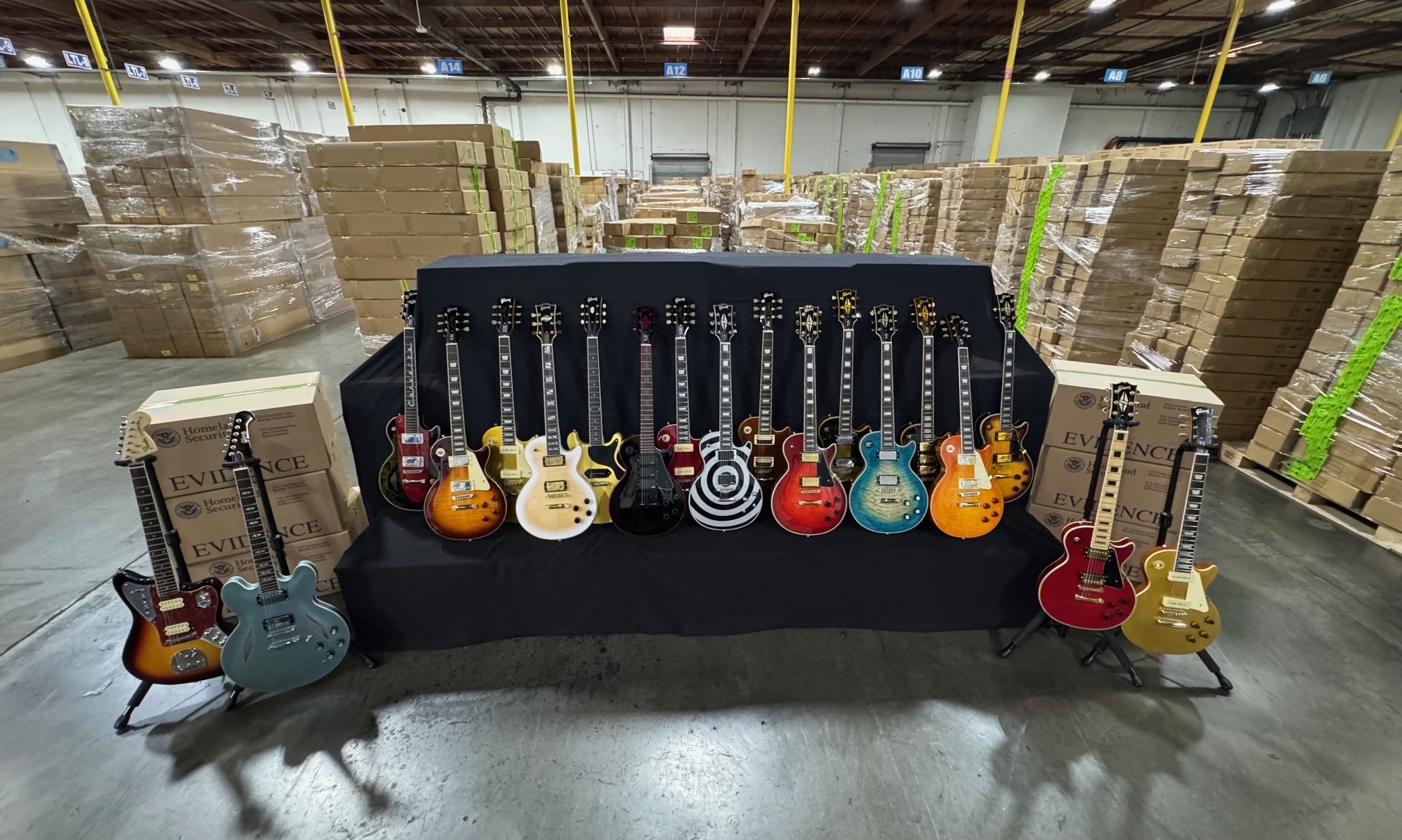
How to Spot a Fake Guitar at Auctions or Consignment
Buying a guitar at auction or through consignment shops can be exciting. However, the growing market for these instruments means that counterfeit guitars are becoming more common. While sometimes there are dead giveaways that even beginners can notice, other times there are only subtle imperfections.
Fortunately, learning how to spot a fake guitar is a skill anyone can pick up. Here's how you can identify some tell-tale signs of fraud, so you can be confident that you are getting the real deal.
Key Takeaways
Potential signs of a fake or counterfeit guitar include:
- Mismatched serial numbers and other specs
- Poor headstock logos
- Uneven inlay work
- Cheap-looking tuners, knobs, or hardware
- Unrealistically low prices
What is a Fake Guitar?
A fake guitar is an instrument that imitates a legitimate brand or model. Scammers market these fakes as high-end models, such as a real Gibson Les Paul, Fender Stratocaster, or PRS Custom. However, these instruments come from an unofficial source and use low-quality materials to produce cheap knockoffs that they can sell for a high-end price.
Signs of a Fake Guitar
Possible signs of an inauthentic acoustic or electric guitar include:
- Misspelled logos or uneven lettering around the headstock
- Crooked headstock
- Poorly cut soundhole edges or rough internal bracing
- Low-quality tuners, knobs, switches, or bridge hardware
- Odd serial number placement
- Unusual weight or balance
- Extra-glossy finishes
- Pricing that seems too good to be true
What to Do If You Bought a Fake Guitar
Step 1: Contact Seller
There are ways to protect yourself and others, even if you have purchased a counterfeit guitar. First, contact the seller as soon as possible. Reputable auction houses or consignment dealers may offer return policies or authentication guarantees.
Step 2: Document Everything
Your next step should be to take a step back and gather documentation of:
- Receipts
- Auction listings
- Seller messages
- Instrument photos
- Official manufacturer information
Step 3: Report the Transaction
You may be able to report the transaction to payment providers or consumer protection agencies in the case of fraud.
Step 4: Don't Resell
Even if the instrument plays reasonably well, it is important to avoid reselling it as authentic. Transparency protects other buyers and helps reduce the spread of counterfeit instruments throughout the guitar community.
FAQs
How do you know if your guitar is authentic?
Ways to verify the authenticity of a guitar include:
- Comparing the serial number, headstock logo, and specs to those of the official manufacturer
- Reviewing the quality of hardware and inlays
- Feeling the guitar and playing it briefly to see if it sounds or feels "right"
- Visiting a professional guitar tech or authorized dealer to confirm authenticity
What are the signs of a fake Gibson guitar?
Common red flags that may indicate a fake Gibson include:
- Incorrect headstock shapes
- Poor logo placement
- Cheap hardware
- Uneven inlay work
- Suspicious serial numbers
- Poor balancing
Where do counterfeit Taylor Guitars come from?
Many, but not all, counterfeit guitars originate from overseas factories that specialize in producing imitation instruments.
Which brands do counterfeit guitars commonly mimic?
Frequently imitated brands include Gibson, Fender, Epiphone, PRS, Martin, and Taylor.
Why Does Careful Inspection Matter?
For guitarists shopping at auctions or consignment stores, taking time to compare an instrument against official specs can prevent expensive mistakes. At Eddie's Guitars, we take the time to curate only high-end, authentic instruments that guitarists of any level can enjoy.
Disclaimer: This article is for informational purposes only. It does not constitute legal or financial advice, express or implied.
Expert Insight From: Donny Thurmon – Electric & Acoustic Guitar Expert
Donny has over a decade of experience in the music retail industry and a rich knowledge of both electric and acoustic guitars from playing in various bands. His hands-on experience helps ensure our recommendations and insights are grounded in real-world expertise.