



Vintage Guitars vs Golden-Era Modern Guitars: Value & Demand
Oct 29th 2026
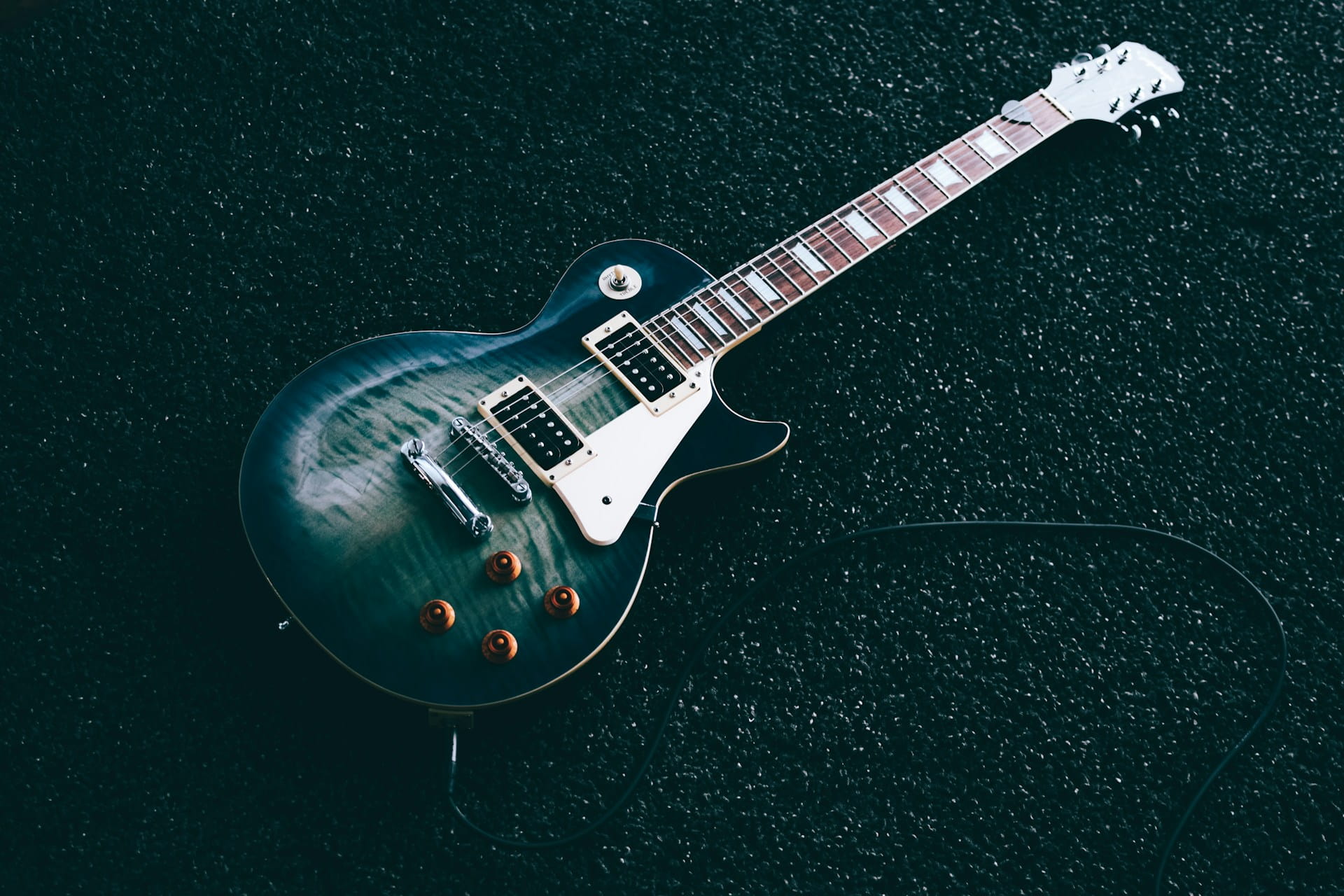
Vintage vs. Golden-Era Modern Guitars: What is More in Demand?
Vintage guitars are typically instruments built decades ago, often prized for their history, original craftsmanship, and connection to iconic musicians. Golden-era modern guitars refer to high-quality contemporary instruments, particularly boutique and custom shop builds, that benefit from today's advanced manufacturing techniques and skilled luthiers.
When comparing vintage guitars vs. golden era modern guitars, collectors often face a familiar question: Is an older instrument more desirable, or can a modern guitar offer the same quality and long-term value? Furthermore, which type of guitar is more in demand?
Both have dedicated followings, but their appeal depends on what collectors value most.
Key Takeaways
- Vintage guitars generally have stronger established collector demand, particularly rare, original examples from desirable production years.
- Golden era modern guitars appeal to collectors seeking exceptional craftsmanship, playability, and contemporary innovation.
- Vintage instruments often command higher prices due to scarcity, history, and cultural significance.
- Condition, originality, builder reputation, and market demand matter more than age alone.
What Makes Vintage Guitars So Desirable?
Vintage guitars have a history that modern instruments simply can't replicate.
Vintage guitar eras cover a wide net of stellar instruments. For example, a 1950s Fender Stratocaster or a late-1950s Gibson Les Paul represents a specific moment in guitar manufacturing and music history. These instruments are closely associated with influential musicians, recordings, and the development of popular music.
For collectors, their appeal often comes down to three factors:
- Scarcity: Original vintage guitars exist in limited quantities, especially those in excellent condition.
- Historical significance: Certain models and production years helped define entire musical genres.
- Collectibility: Established demand, documented sales, and recognizable specifications make desirable vintage models easier to evaluate.
Nostalgia also plays a role. Some collectors seek a guitar from their year of birth, while others want an instrument associated with their favorite artist or musical era.
However, not every old guitar is valuable. Brand, model, originality, condition, and provenance are essential considerations.
Why Are Golden Era Modern Guitars Gaining Attention?
Today's high-end guitar market offers instruments built with extraordinary precision and craftsmanship.
Boutique builders and custom shops combine traditional construction methods with modern technology, giving players access to instruments that rival many vintage examples in quality and performance.
Modern Manufacturing Advances
Technologies such as CNC machining allow manufacturers to achieve precise, repeatable dimensions. Improvements in hardware, finishes, and quality control can also contribute to consistent playability.
Independent luthiers take a different approach, combining carefully selected materials with individual handwork and specialized construction techniques.
The result is a wide range of modern guitars designed for players who want exceptional performance without the uncertainty that sometimes accompanies vintage ownership.
Customization and Craftsmanship
Modern instruments often offer greater flexibility in specifications.
Players can choose neck profiles, fret sizes, pickups, tonewoods, and hardware configurations that suit their preferences.
For collectors, limited production runs, respected boutique builders, and distinctive custom shop models can make certain modern guitars particularly appealing.
Vintage vs. Modern Guitar Tone: Is There a Difference?
Tone is one of the most debated aspects of vintage guitars vs. golden era modern guitars.
Some players appreciate collecting vintage guitars for their character of aged wood, vintage pickups, and older construction techniques. Others prefer the consistency, clarity, and versatility of modern instruments.
How Aging and Tonewoods Affect Sound
Over time, a guitar's wood can undergo physical changes influenced by moisture content, environmental conditions, and aging.
However, the tonewood argument is more complicated than simply assuming older wood sounds better.
A guitar's design, construction, pickups, electronics, and setup all affect its sound. Even two instruments from the same production year can respond differently.
Can Modern Guitars Match Vintage Tone?
Many contemporary builders intentionally recreate vintage specifications, including pickup designs, neck shapes, finishes, and construction methods.
Others prioritize modern performance with improved tuning stability, greater tonal flexibility, or more comfortable ergonomics.
Ultimately, whether a guitar sounds better depends on the individual instrument and the player's preferences.
Build Quality and Playability: Old vs. New
Vintage guitars can feature exceptional craftsmanship, but decades of use introduce practical considerations. Worn frets, aging electronics, replacement hardware, and previous repairs can affect an instrument's performance and value. Even small components, such as bridge saddles, adjustable nuts, or tiny screws, may require specialized replacement parts.
Modern guitars typically offer easier maintenance, readily available hardware, and more predictable performance. For musicians who regularly perform live, a contemporary instrument may provide greater reliability. Collectors who prioritize historical accuracy, however, may prefer preserving an older guitar's original components.
Neither category guarantees superior build quality. Each instrument deserves an individual inspection.
Which Guitars Have Greater Collector Demand?
Vintage guitars generally lead in established collector demand, but desirable modern instruments have their own growing audience.
Certain vintage models have decades of sales history and cultural recognition supporting their collectibility.
Examples include:
- Pre-CBS Fender Stratocasters and Telecasters
- Late-1950s Gibson Les Paul Standards
- Pre-war Martin acoustic guitars
- Original Gibson ES-series instruments from sought-after production years
These guitars attract collectors because of their historical importance, limited supply, and recognizable specifications.
Modern collector interest is often concentrated around respected boutique makers, limited editions, and custom shop instruments. However, modern guitars don't automatically become collectible simply because they're expensive or produced in small quantities.
A builder's reputation, consistent demand, and the instrument's specifications influence its long-term appeal.
Vintage vs. Modern Guitar Prices and Investment Potential
Vintage guitars can command substantial premiums, particularly when they retain original finishes, electronics, and hardware.
Their pricing reflects more than construction quality. Historical significance, scarcity, condition, and collector competition can all influence value.
Modern guitars often provide comparable or superior playability at a lower purchase price, although premium boutique instruments can also be expensive.
From an investment perspective, buyers should consider:
- Originality: Modifications and replacement parts may affect vintage resale value.
- Condition: Structural issues, repairs, and wear can influence pricing.
- Market demand: Recognizable models and respected builders often attract broader interest.
- Documentation: Provenance and original paperwork can strengthen collector confidence.
- Purchase price: Paying a premium doesn't guarantee future appreciation.
Auction results, including those from specialty sellers such as Hallgate Auctions, can offer useful market context. However, individual sales shouldn't be treated as guarantees of future value.
Should You Collect Vintage or Golden Era Modern Guitars?
The right choice depends on your priorities.
Vintage guitars may be a better fit if you:
- Value historical significance and originality.
- Collect instruments from specific production eras.
- Appreciate established collector markets.
- Enjoy owning guitars with distinctive histories.
Golden era modern guitars may appeal if you:
- Prioritize playability and reliability.
- Want contemporary features or custom specifications.
- Appreciate boutique craftsmanship.
- Prefer an instrument suited to frequent playing and performance.
Many collectors choose both, building collections that combine historically important instruments with exceptional contemporary designs.
FAQs
Are vintage guitars more collectible than modern guitars?
Generally, sought-after vintage guitars have more established collector markets because of their rarity, historical significance, and recognizable production years. However, limited-edition modern guitars and instruments from respected boutique builders can also attract serious collectors.
Do vintage guitars sound better than modern guitars?
Not necessarily. Vintage guitars may offer distinctive tonal characteristics, but modern instruments can deliver comparable sound quality with improved consistency and playability. Pickups, construction, setup, and personal preference all influence how a guitar sounds.
Are modern guitars a good investment?
Certain boutique, custom shop, and limited-production guitars may retain or appreciate in value. However, not every premium modern guitar becomes collectible. Builder reputation, rarity, condition, and long-term demand are important factors when evaluating resale potential.
What vintage guitars are most in demand?
Collectors often seek pre-CBS Fender guitars, late-1950s Gibson Les Paul Standards, pre-war Martin acoustics, and other historically significant models. Originality, condition, production year, and provenance can greatly influence demand and pricing.
Explore Vintage and Modern Guitars at Eddie's Guitars
Vintage guitars may hold the advantage in established collector demand, but today's boutique and custom shop instruments offer plenty of reasons to pay attention.
At Eddie's Guitars, we specialize in vintage, boutique, and high-end instruments from respected builders and manufacturers. Whether you're searching for a collectible classic or a modern guitar with exceptional craftsmanship, our team can help you compare your options and find the right addition to your collection.
Contact us online or call us at 314-274-9571 for more information.
Disclaimer: This article is for informational purposes only. It does not constitute legal or financial advice, expressed or implied.
Expert Insight From: Donny Thurmon – Electric & Acoustic Guitar Expert
Donny has over a decade of experience in the music retail industry and a rich knowledge of both electric and acoustic guitars from playing in various bands. His hands-on experience helps ensure our recommendations and insights are grounded in real-world expertise.