



Why You Should Get Your Vintage Guitars Appraised
Posted by Alejandro on Aug 18th 2026
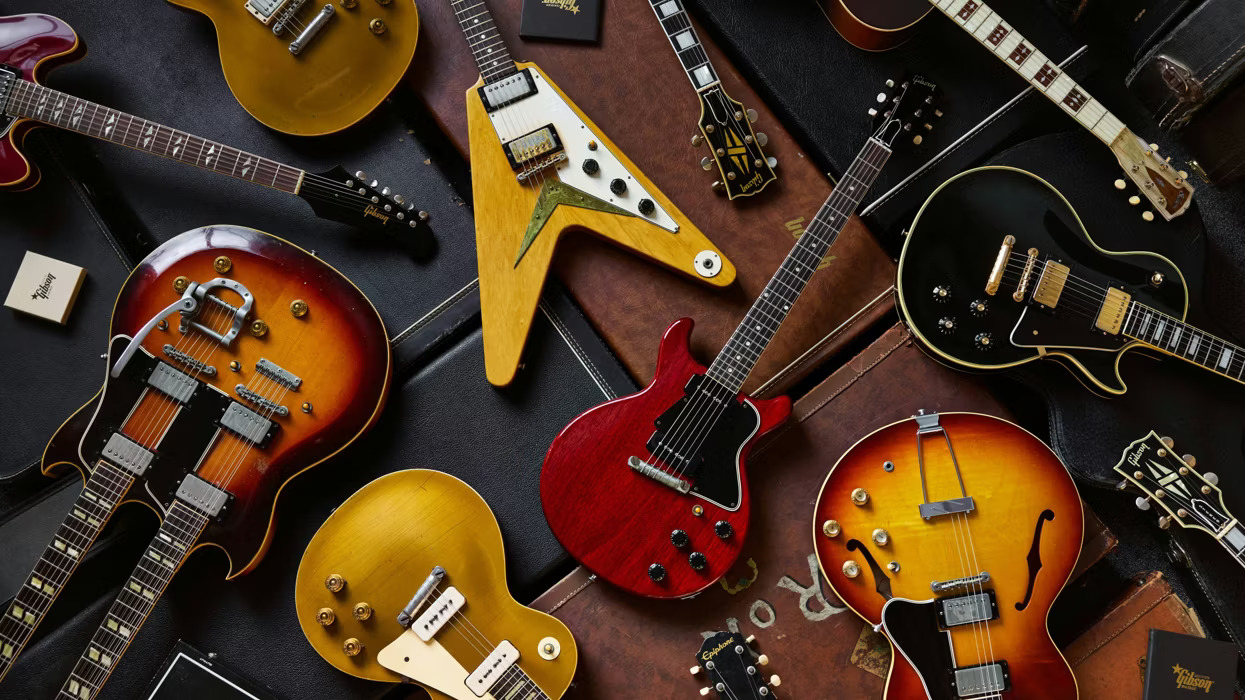
Why and When to Get Your Vintage Guitars Appraised
A vintage guitar is more than just a musical instrument. It may be a family heirloom, a collector's item, or an investment that has grown in value over time. Whether you own a well-loved Gibson, a pre-CBS Fender, or another sought-after model from a different vintage guitar era, knowing what your guitar is worth is important.
A professional appraisal helps verify authenticity, document the guitar's condition, and create a record that can be useful for insurance, selling, estate planning, or simply understanding your collection.
Key Takeaways
- A professional appraisal helps determine your guitar's current market value.
- Expert authentication and condition assessments can strengthen buyer confidence.
- Written appraisals are valuable for insurance, estate planning, and future sales.
- Accurate documentation helps preserve the history and value of your vintage guitar.
Why Appraisals Matter
Many vintage guitars have changed hands several times over the years. Along the way, the guitar parts may have been repaired or replaced or important paperwork may have been lost. A professional appraisal brings all of those details together to create a clear picture of the instrument.
An appraisal can help you understand your guitar's current market value and verify authenticity to support a future sale. They can also help you obtain a formal insurance appraisal, establish replacement value, and document your collection for estate or legal purposes. Even if you don't plan to sell your guitar, knowing its value can give you peace of mind.
What Does a Vintage Guitar Appraiser Look For?
A qualified specialist evaluates much more than the guitar's appearance. During an in-hand appraisal, an expert may examine:
- Overall condition
- Structural integrity
- Finish originality and condition
- Hardware and electronics originality
- Replacement parts
- Neck repairs
- Overall wear patterns
- Modifications and their reversibility
They also compare the instrument to factory specifications and production records to confirm that it matches the correct model designation and production history.
Authenticity Is Everything
Authenticity plays a major role in determining a vintage guitar's value. Experienced appraisers use historical knowledge, factory records, and expert verification to confirm an instrument's originality. Depending on the guitar, they may also review:
- Serial number verification
- Neck and body dates
- Potentiometer date codes
- Hardware specifications
- Finish characteristics
- Original parts verification
- Provenance documentation
Some specialists also use scientific methods, such as UV light inspection, to identify refinishing work or repairs that may not be visible under normal lighting.
When you're investing in a valuable vintage guitar, specialist authentication services can provide confidence for both buyers and owners.
Understanding Market Value
A guitar's value isn't based on age alone. Professional appraisers consider many factors when determining current market value, including:
- Rarity
- Authenticity
- Condition evaluation
- Finish originality
- Current supply and demand dynamics
- Collector preferences and trends
- Regional market variations
- Recent comparable sales
- Auction results
This comparative analysis helps establish a realistic retail market value estimate rather than relying on online opinions or outdated price guides.
Insurance and Replacement Value
Having insurance for your guitar collection is important, especially if you plan to appraise guitars. Many collectors don't realize their homeowner's insurance may not fully cover a valuable vintage guitar. A formal insurance appraisal provides the written documentation insurance companies often require to establish replacement value.
This type of written appraisal can also be useful if your guitar is ever stolen, damaged, lost during shipping, or affected by a natural disaster. Having an up-to-date appraisal helps ensure your instrument is properly protected.
Preparing for an Appraisal
The more information you can provide, the more complete your appraisal may be. Before submitting your guitar, gather any available documentation, including:
- Original purchase receipts
- Purchase history
- Repair records
- Previous appraisal reports
- Provenance records
- Serial number information
- High-quality photos
- Photographs showing the guitar's condition
If you're using an online appraisal service, you may also be asked to complete an online appraisal submission form with a brief description of the guitar's history and payment information, if applicable.
Some businesses may also offer eligibility for free appraisal programs for certain instruments or collections.
Choosing the Right Appraiser
Not every appraisal carries the same weight. A senior authenticator or qualified specialist who regularly evaluates collectible guitars can often provide a more thorough assessment than a general music store. When selecting an appraiser, look for someone with:
- Current market expertise
- Industry recognition
- Historical research experience
- Authentication expertise
- Experience with vintage guitars
- Knowledge of production changes across different manufacturers
Choosing the right expert is especially important when appraising rare or high-value instruments.
When Should You Get Your Guitar Appraised?
There isn't just one reason to have a guitar appraised. Many collectors schedule appraisals when they purchase a vintage guitar or plan to sell an instrument. They might also consider appraisal if they're planning to update insurance coverage, build a larger collection, or even settle an estate.
As vintage guitar values continue to change, updating your appraisal every few years can help ensure your documentation reflects current market conditions.
FAQs
Do vintage guitars appreciate in value?
Many vintage guitars have appreciated in value over time, especially rare models in original condition. However, appreciation isn't guaranteed. Factors such as rarity, authenticity, condition, provenance, and current collector demand all influence a guitar's market value.
Why are vintage guitars so valuable?
Vintage guitars are valued for their craftsmanship, historical significance, rarity, and connection to important periods in music history. Original finishes, factory-correct parts, documented provenance, and limited production numbers can all increase an instrument's desirability among collectors.
How do I tell how much my guitar is worth?
The most accurate way to determine your guitar's value is through a professional appraisal. An experienced appraiser will perform a comprehensive analysis that includes authentication, condition assessment, comparable sales analysis, and current market trends. While online research can provide a general idea of value, a written appraisal offers a much more reliable estimate for insurance, selling, or estate planning.
Protect the Value of Your Collection
Every vintage guitar has a story, and a professional appraisal helps preserve it. From authentication and condition reports to insurance documentation and current market value, an appraisal provides valuable information that can benefit you for years to come.
At Eddie's Guitars, we understand what makes exceptional instruments special. Whether you're looking to learn more about your guitar or preparing to buy, sell, or consign a vintage piece, our team is here to help guide you through the process.
If you're ready to appraise your vintage guitar, contact us online or reach out via phone at (314) 274-9571 or email at info@eddiesguitars.com.
Disclaimer: This article is for informational purposes only. It does not constitute legal or financial advice, expressed or implied.
Expert Insight From: Matthew Chulka – Acoustic & Electric Guitar Expert
Matthew has over two decades of experience in the music retail industry and a detailed knowledge of acoustic and electric guitars. His first-hand experience helps ensure our knowledge and insights are grounded in real-world expertise.