



A Step-by-Step Guide to Restringing Guitars
Posted by Alejandro on Apr 13th 2026
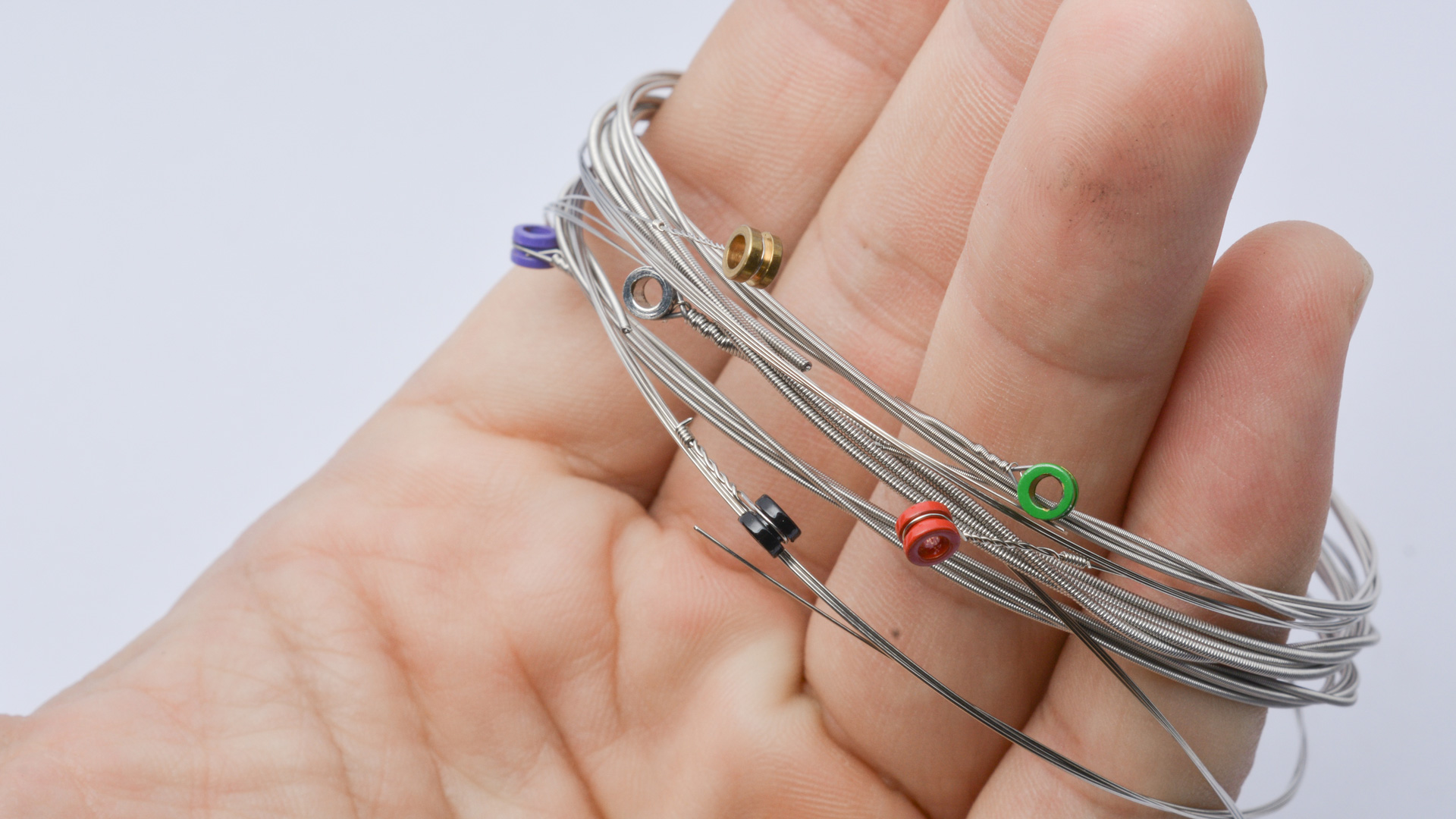
How to String a Guitar: A Step-by-Step Guide
Restringing a guitar is one of the most essential maintenance skills a guitarist can learn. While it may seem intimidating at first, the process becomes second nature with a bit of practice and patience.
Why Changing Strings Is Important
Over time, guitar strings collect dirt, oil, and corrosion from your hands. This buildup dulls the sound and makes the strings harder to play. Old strings can also lose their ability to stay in tune, which can be frustrating during practice or performance.
Key Takeaways
Like many aspects of guitar care, restringing is a small habit that leads to noticeable improvements. Regularly changing your strings helps:
- Restore brightness and clarity
- Improve tuning stability
- Make the guitar easier to play
- Prevent string breakage
- Extend the life of your instrument
9 Steps to Properly Restring a Guitar
To restring your six-string guitar, here is what you need to do:
- Remove the old strings: Loosen each string using the tuning pegs until there is no tension. Once loose, unwind them from the posts and remove them from the bridge. You may need string cutters or wire cutters to trim stubborn excess string.
- Clean the guitar: Clean the fretboard and body.
- Insert the new strings: For most guitars, feed the new strings through the bridge or tailpiece. Make sure each string is seated properly before moving on.
- Pull the string through the tuning post: Guide the string up the neck and thread it through the appropriate tuning peg. Leave a small amount of slack to allow for winding.
- Wind the string neatly: Begin tightening the string by turning the tuning peg. Ensure the wraps coil downward neatly around the post to maintain tuning stability.
- Tune the string to pitch: Bring the string up to its correct note slowly. Avoid overtightening, especially with thinner strings.
- Stretch the strings gently: Lightly pull each string away from the fretboard and retune.
- Trim the end of the string: Use wire cutters to remove any excess string from the tuner posts to protect your headstock.
- Repeat for all six strings: Work through each string one at a time.
How to Tell If Your Guitar Needs New Strings
Signs it may be time to restring your guitar include:
- Dull or lifeless tone
- Difficulty staying in tune
- Visible rust or discoloration
- Strings feel rough or sticky
- Frequent string breakage
- Loss of sustain or clarity
Which Guitar Strings Work Best For Your Instrument
6-string Acoustic Guitar
Acoustic guitars typically use steel string sets designed for projection and warmth. These strings often come in phosphor bronze or 80/20 bronze varieties.
- Phosphor bronze offers a warmer, balanced tone
- 80/20 bronze delivers a brighter, more cutting sound
Heavier gauge strings provide more volume and fullness, while lighter gauges are easier to play.
6-string Electric Guitar
Electric guitars often use nickel or steel-based strings that interact with magnetic pickups.
- Pure nickel strings produce a smooth, vintage tone
- Nickel-plated steel offers a brighter and more modern sound
Lighter gauge strings are popular for bending and lead playing, while heavier gauges provide more tension and punch.
6-string Hybrid Guitar
Hybrid guitars, such as acoustic-electric models, can use acoustic guitar strings but are often paired with pickup systems for amplification.
Choosing the right set depends on whether you prioritize unplugged tone or amplified performance. Many players experiment with different sets of new strings to find the right balance.
FAQs
Can I restring a guitar by myself?
Yes, restringing a guitar is something beginners can do. If it is your first time restringing a guitar, be sure to go extra slow.
What gauge did Eric Clapton use?
Most guitarists associate Eric Clapton with lighter gauge sets, particularly .010 to .046.
How often should I change my guitar strings?
How often you should change strings depends on how often you play. Regular players may change strings every few weeks, while occasional players might restring every few months. As a rule of thumb, if tone or tuning suffers, it is usually time for a change.
How do I know if I attached guitar strings correctly to my acoustic guitar bridge?
Most guitarists know they have restrung their guitar correctly when the strings sit securely in the bridge, with the bridge pins holding them firmly in place.
What tools do I need to string a guitar?
Basic tools for changing guitar strings include:
- String cutters or wire cutters
- A tuner
- Optional string winder for faster changes
Restringing with Confidence
Learning how to string a guitar is a foundational skill. Over time, it becomes less of a chore and more of a routine that keeps your guitar performing at its best.
Expert Insight From: Donny Thurmon – Electric & Acoustic Guitar Expert
Donny has over a decade of experience in the music retail industry and a rich knowledge of both electric and acoustic guitars from playing in various bands. His hands-on experience helps ensure our recommendations and insights are grounded in real-world expertise.